

Your body run on cycle, and sleep is the destination point. If the cycle gets disrupted, everything from your brain function to metabolism start to stumble.
Skipping or constantly changing sleep pattern can not only make you tired, it confuses your brain, stresses your body, and opens the door to illnesses.
Your brain relies on sleep for it to organise its thought processes, store memory and regulate its functions.
Irregularity of sleep can lead to:
- Brain clarity is down; your creativity and focus are gone. Sleep is when your brain consolidates memories and clears out waste. When this process is interrupted, toxins such as beta-amyloid can build up, a protein linked to Alzheimer’s disease and cognitive decline.
- Amygdala: where the emotions are overactive leading to anxiety and hyperarousal
- Pre frontal cortex: mainly for decision-making, which can get harder and lowers self-control.
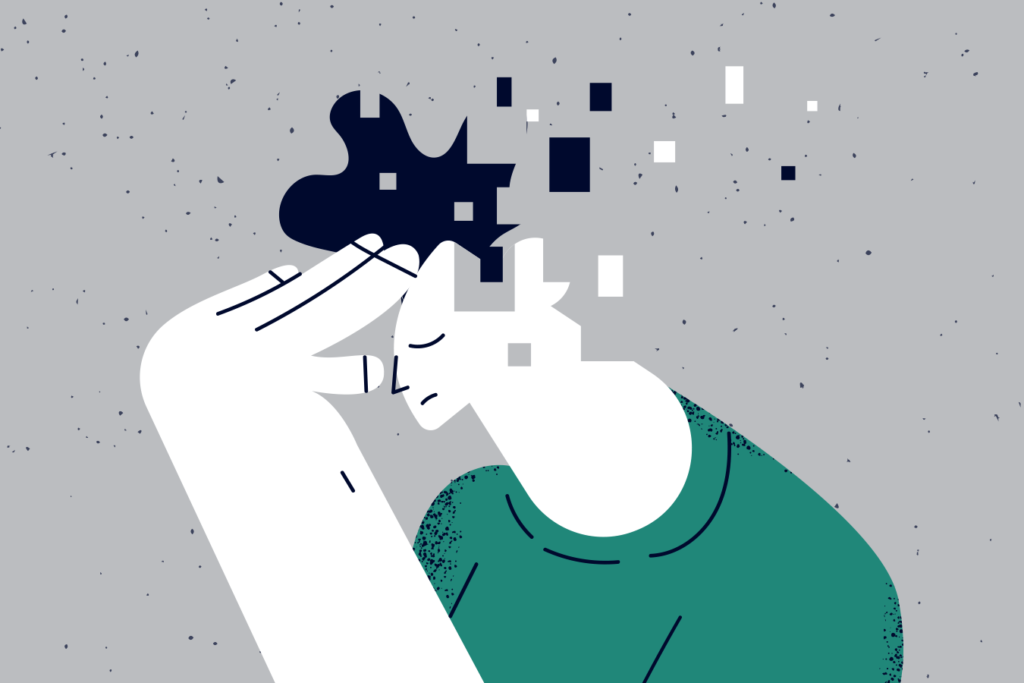
The problems don’t stop at the brain, it disrupts your metabolism, immunity, and gut-brain axis.
- Increased cortisol: inflammation and high blood pressure.
- Immunity weakens leading to slow recovery.
- Risk for diabetes
- Digestive issues
Your brain’s rhythm matters more than the number of hours!!!
The circadian rhythm needs predictability if it gets messed the rhythm weakens.
Rebuilding that rhythm is necessary, small consistent habits can help restore balance and prevent illness. Sleep is when your neuronal connection rewires and strengthening those connections. Without consistency the neuroplasticity slows down, this is limiting down the brain’s ability to heal, learn and adapt.

- Go to bed and wake up around the same time.
- Avoid screen before sleeping.
- Have dinner an hour or two before sleep.
- Practice relaxation.
- Limit caffeine
WHEN TO SEEK HELP!!
When the irregular sleep turns into exhaustion, gaps, and mood changes, its okay toa sk for help.
- If you have trouble falling asleep.
- You experience anxiety or thoughts during sleep.
- When you feel exhausted no matter how much sleep you get.
Talk to a professional and let your brain get the sleep you deserve.
REFERENCE
Irwin M. R. (2022). Sleep disruption induces activation of inflammation and heightens risk for infectious disease: Role of impairments in thermoregulation and elevated ambient temperature. Temperature (Austin, Tex.), 10(2), 198–234. https://doi.org/10.1080/23328940.2022.2109932
