
Blogs

Communication
Sumarchana Tekey

How Expressing Your Needs Strengthens Your Relationships and Self

Expressing your needs is not weakness—it’s essential for emotional well-being and healthy relationships.
Understanding the difference between needs (essential) and wants (preferences) brings clarity, while early experiences often shape how comfortable we feel asking. Core needs—autonomy, competence, and connection—underlie most emotional struggles when unmet.
Clear, assertive communication helps express needs respectfully, reducing conflict and fostering understanding. When left unspoken, needs often turn into resentment, burnout, or disconnection.
Ultimately, well-being lies not in having fewer needs, but in owning and expressing them with clarity and balance.


Read More »
Conflict Management
Sumarchana Tekey

Beyond Arguments: Understanding the Psychology of Conflict

Conflict doesn’t signal failure—it reflects the natural tension between differing needs, values, and perspectives in any meaningful relationship. While our brains may react as if we’re under threat, leading to impulsive or defensive responses, understanding this process allows us to pause, regulate, and respond more intentionally. Rather than trying to “fix” every disagreement, the focus shifts to creating respectful dialogue, building psychological safety, and expressing underlying needs with clarity. When approached with awareness and empathy, conflict becomes less about winning and more about deepening understanding and connection.

Read More »
Mental Health
Sumarchana Tekey

Flow: The Mental State Where Time and Effort Transform

Flow is that moment when you’re so absorbed in what you’re doing that time seems to slip away and effort feels lighter. It happens when challenge and skill meet, helping the mind settle into focus, ease, and enjoyment. These moments of flow gently support motivation, emotional balance, and a deeper sense of meaning in everyday life.

Read More »
Brain Health
Sanjana Ravishankar

Why Multitasking Is Bad for Your Brain

Multitasking may feel productive, but it actually drains your mental energy and weakens memory and focus. Each time you switch tasks, the brain has to reset, leaving you tired, foggy, and less efficient. Your mind works best with one thing at a time — giving tasks your full attention protects clarity, performance, and well-being.

Read More »
Uncategorized
Sanjana Ravishankar

Why Working Adults Experience Higher Cognitive Fatigue

Cognitive fatigue is that drained, foggy feeling that hits even when you haven’t done anything physically demanding. With constant information, decisions, and stress, the working brain becomes overloaded and struggles to stay sharp. Giving your mind regular breaks, focusing on one task at a time, and supporting your overall well-being can help restore clarity and balance.

Read More »
Stress Management
Sanjana Ravishankar

Digital Overload: What Screens Are Doing to Your Brain

Constant screen exposure trains the brain to crave quick dopamine hits, making focus harder and keeping the nervous system in a mild fight-or-flight state. Over time, this digital overload can drain energy, disrupt sleep, and heighten anxiety. Taking mindful breaks and setting healthy limits helps the brain reset and return to calm.

Read More »
Gut Health and Brain Health
Sanjana Ravishankar

How Diet Shapes Neurotransmitters

What you eat doesn’t just fuel your body — it shapes the neurotransmitters that influence mood, focus, and calm. Because most serotonin is made in the gut, and nutrients also support dopamine and GABA production, diet and gut health play a powerful role in emotional well-being. When the gut is nourished, the brain functions more smoothly, helping balance mood and stress.

Read More »
Gut Health and Brain Health
Sanjana Ravishankar

Why Anxiety Shows Up in the Stomach First

Anxiety often shows up in the stomach first because the gut and brain are deeply connected. When stress activates the brain’s alarm system, the gut responds instantly — triggering nausea, cramps, or discomfort. Supporting the gut–brain axis through breathing, gentle movement, and grounding can ease these symptoms, and therapies like EMDR can help calm the system at its source.

Read More »
Brain Health
Sanjana Ravishankar

Why Overthinking Happens: The Brain’s Looping Cycle Explained

Overthinking isn’t “thinking too much” — it’s your brain stuck in a stress-driven loop. When the mind senses uncertainty, the amygdala goes on high alert and the brain’s default mode network becomes overactive, pulling you into constant replaying, worrying, and analyzing. This overloads the prefrontal cortex, making clarity even harder. Overthinking affects the whole body, not just the mind. Calming the nervous system through breathing, movement, grounding, or expressing your thoughts can help break the cycle. Overthinking isn’t a flaw — it’s your system trying to keep you safe.

Read More »
Neuropsychology
Sanjana Ravishankar

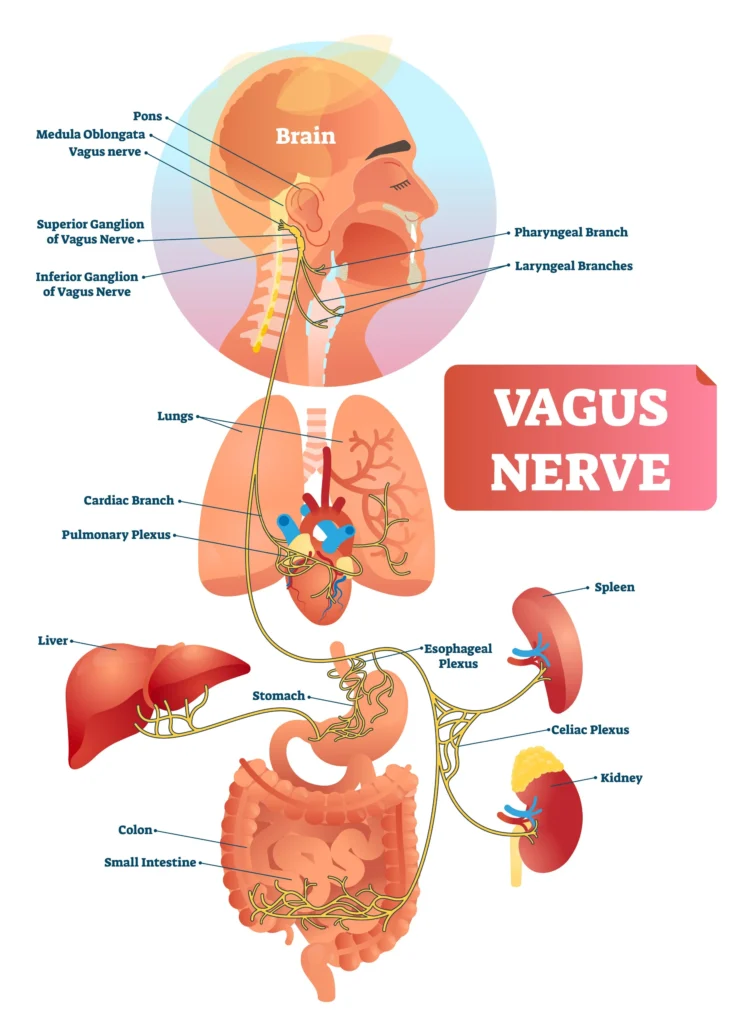
How the Nervous System Shapes Emotions: Polyvagal Theory in Real Life

Our nervous system often reacts before our mind does. Polyvagal Theory helps explain why we feel calm, alert, or shut down in different moments. It shows that emotional responses aren’t just “in our head” — they’re rooted in the body’s sense of safety or threat. Understanding this lets us meet our feelings with compassion, knowing our body is simply trying to protect us.

Read More »