

We live in a world where being “low-maintenance” is often praised, and “needy” is quietly judged. Yet, beneath this social script lies a powerful truth: the ability to understand and express your needs is not a weakness—it is a psychological strength.

Communicating one’s needs is a core element of psychological health, effective relationships, and positive mental health outcomes. Across clinical, interpersonal, and developmental research, the ability to express needs clearly, directly, and respectfully is linked to greater relationship satisfaction, fewer internalizing symptoms, enhanced autonomy, and stronger relational bonds.
Whether at work, at home, or in close relationships, the way we communicate our needs shapes not only how others respond to us, but also how we experience ourselves—our worth, our voice, and our sense of belonging.
Needs vs. Wants: Why This Distinction Matters
Before we can express our needs, we need to recognise them clearly.
A need is something essential for your emotional or physical well-being—like feeling respected, safe, or connected.
A want, on the other hand, is a preference—something that adds comfort or pleasure but isn’t necessarily essential.
Example:
- Need : “I need to feel valued in this relationship.”
- Want : “I’d like you to text me good morning every day.”
Confusion between the two can create unnecessary conflict. When a want is expressed with the urgency of a need, it may overwhelm others. And when a genuine need is dismissed as “just a want,” it can leave us feeling unseen or invalidated.
Reflection Exercise:
Take a moment to ask yourself –
- What is one thing I’ve been asking for repeatedly?
- Is it a deeper need (e.g., reassurance, respect), or a specific preference?
Your Psychological “Nutrients”
Just as our bodies require nourishment, our minds and relationships thrive on certain emotional essentials. Psychology highlights three core needs:
- Autonomy – Feeling that you have choice and agency in your life
- Competence – Feeling capable and effective
- Connection – Feeling cared for and understood
Example:
If you feel frustrated at work, the surface issue may seem like workload—but underneath, it could be a need for competence (feeling effective) or autonomy (having more control over your tasks).

Exercise:
When you feel emotionally triggered, try asking: “What might I be needing right now?”
Why Is It So Hard to Ask?
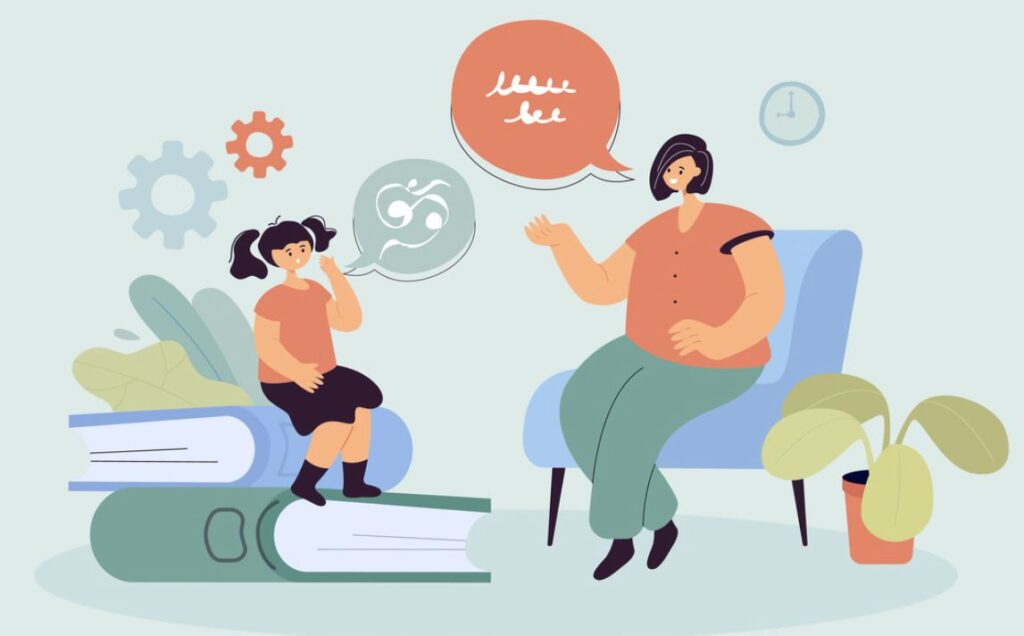
For many, expressing needs doesn’t come naturally—it feels uncomfortable, risky, or even unsafe. Often, this pattern has roots in early relational experiences.
- If your needs were welcomed and responded to, you may find it easier to ask.
- If your needs weren’t met consistently or dismissed, you might feel anxious or over-expressive.
- If your needs were ignored or discouraged, you may have learned to stay silent or overly self-reliant.
Example:
Someone who grew up hearing “don’t be so demanding” might hesitate to ask their partner for emotional support—even when they deeply need it.
Gentle Reflection:
- How were needs handled in your early environment?
- What did you learn about asking?
Learning the Skill of Expression
The good news is—expressing needs is a skill that can be learned and strengthened.
1. The Power of Assertive Communication
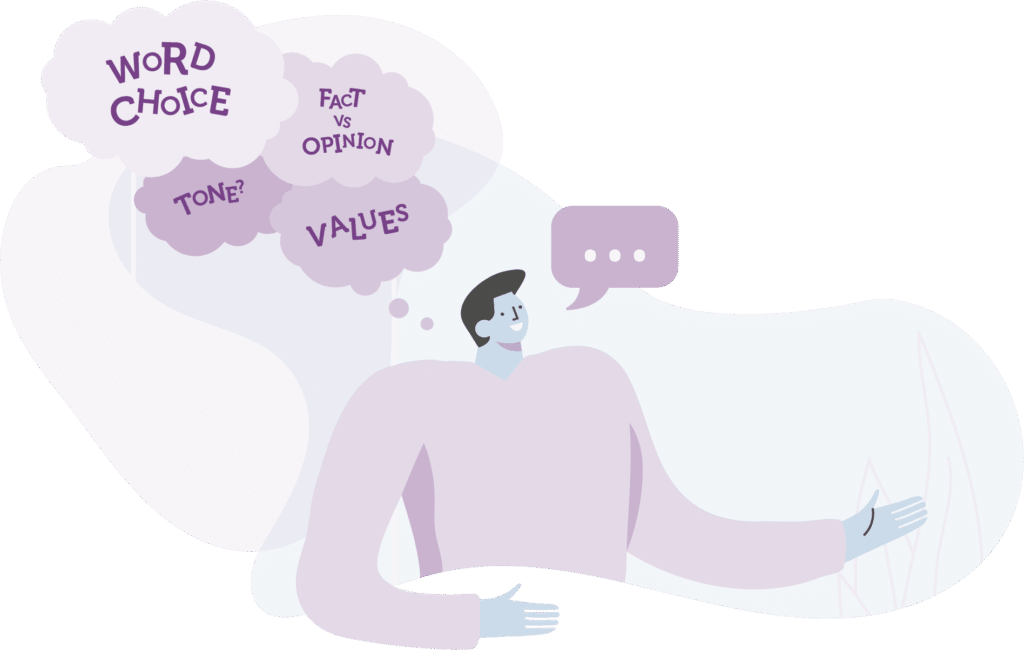
Assertiveness is the balance between silence and force—it honours both your needs and the other person’s.
A simple framework you can try:
- State what’s happening (without blame)
- Share how you feel
- Ask clearly for what you need
Example:
“Over the past few weeks, I’ve been handling most of the household tasks. I’m feeling quite overwhelmed. Could we divide the responsibilities more evenly?”
Exercise:
Rewrite this passive or reactive statement into an assertive one:
- “You never help me!” → “I’ve been feeling unsupported lately. I would really appreciate it if we could share this responsibility.
- Assertive Communication : (use the framework given above) :
2. Slowing Down with Intentional Communication
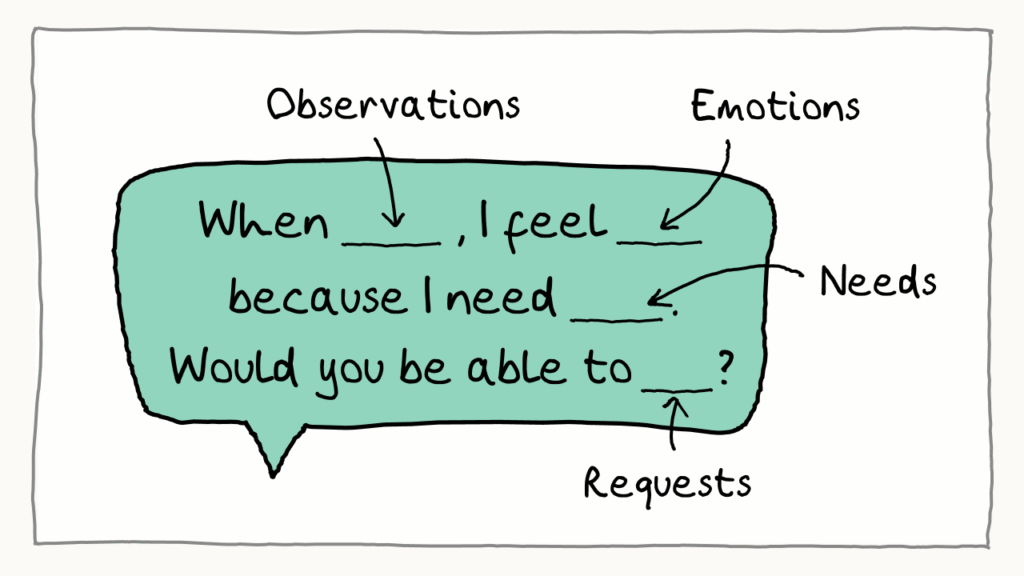
Another helpful approach is to slow the conversation down and stay connected to what you’re experiencing.
Try this :
- What did I observe?
- What am I feeling?
- What do I need?
- What am I asking for?
Example:
“When I see messages going unanswered, I feel a bit anxious because I value communication. Would you be open to letting me know when you’re busy?”
When Needs Go Unspoken
Not expressing needs doesn’t make them disappear—it often makes them louder internally.
Over time, this can show up as:
- Resentment (“Why doesn’t anyone notice?”)
- Emotional exhaustion
- Feeling disconnected in relationships
Sometimes, one person may also carry the invisible weight of keeping the relationship “running smoothly”—remembering, adjusting, accommodating. Without acknowledgment or support, this can lead to burnout.
A Note on Balance
Expressing needs is healthy—but so is mutuality.
Healthy relationships involve:
- Space for both people’s needs
- Flexibility and negotiation
- Awareness of not over-relying on one person for all emotional needs
Culture, Context, and Expression
The way we ask is also shaped by culture and context.
In some environments, being direct is valued. In others, subtlety and harmony take precedence. Neither is inherently right or wrong—but awareness helps us communicate more effectively across differences.
Coming Back to Yourself
Learning to express your needs is, at its core, an act of self-respect.
It says: “What I feel matters. What I need is valid. And I can communicate it with clarity and care.”
You don’t have to start with big conversations. Start small.
Try this today: Express one small need clearly—to a colleague, a friend, or someone at home.
It might feel unfamiliar at first. But over time, it becomes not just easier—but deeply empowering.
Because the goal isn’t to have fewer needs.
It’s to feel more at ease owning them.
