

Have you tried to break from a habit but unable to? This happens when the brain is made for repetition, but fun fact our brain is made in a way to rewire its function to our benefit, this is called “neuroplasticity”.
What’s Neuroplasticity?
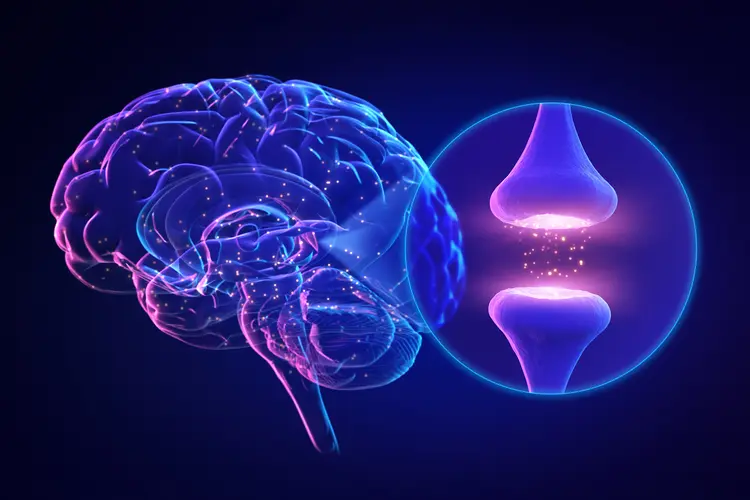
The idea of brain plasticity began in 1890, when William James described the brain as a structure capable of change. The actual term “neural plasticity” was first introduced by Jerzy Konorski in 1948, suggesting that the brain could reorganize its connections. Santiago Ramón y Cajal, Karl Lashley, and later Marian Diamond and Paul Bach-y-Rita provided strong evidence that the adult brain can change, reorganize, and grow.
Let’s dive into what’s neuroplasticity. It is the brain’s ability to organise and modify information in relation to our past and new experiences, trauma and any illnesses. In a simple sense when you learn something, you build a new road and when you practice it, you pave and if you stop using, it cracks. Our brain is made to grasp all the material that it has seen, heard, etc through our senses. The brain has the ability to recover from a tremendous trauma or brain injury, by changing its structural plasticity like change in the physical structure of neurons and neuronal network as well as its functional plasticity in its efficiency and strength of the neuronal connections.
This matters as we live in a place that gives us information load and structuring it in way where we practice everyday by learning a new skill or practising an old and taking care of our lifestyle habits, where one can improve plasticity and can prevent from age related neurological diseases.
How PTSD and neuroplasticity work?
Responses to fear play a crucial role in adaptation and survival, but excessive response which can be caused due to traumatic incident (also called PTSD – Post Traumatic Stress Disorder) can hinder healthy responses to fear. The prefrontal cortex known for its cognitive regulation, amygdala for its alertness and hippocampus for its memories are linked to PTSD, they are known as threat detection system that becomes imbalanced.
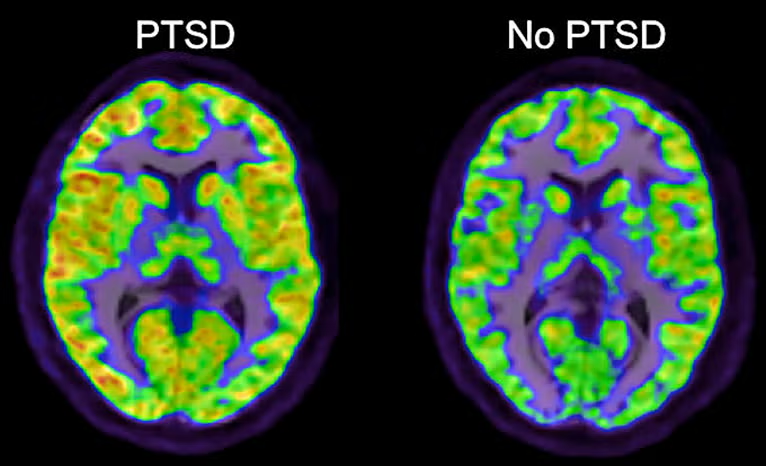
- The amygdala, which triggers alertness gets sensitive.
- The hippocampus organises the memories can weaken due to chronic stress.
- The Prefrontal cortex helps for a rational thinking weakens.
This rewiring can cause a maladaptive neuroplasticity, even when the threat is gone our alarm system still under constant surveillance.
Strategies of neuroplasticity in PTSD
Being able to cope with stress and having that emotional support can play a huge role in plasticity, along with social connections, the brain’s experiences can be reshaped through therapies, learning and medications. The most recommended therapy for PTSD includes CBT (Cognitive Behavioural Therapy), EMDR (Eye Movement Desensitization and Reprocessing) or Exposure therapy.
- In CBT the negative thoughts are identified and reframed in a way that the Pfc can strengthen and control the amygdala.
- EMDR, integrates traumatic beliefs and changes in the neural connectivity.
- Exposure therapy introduces a controlled manner of trauma cues, strengthening the hippocampus.
To conclude PTSD changes our brain due to trauma while neuroplasticity helps us regain those changes occurred through patience and learning experiences.
KEY TAKEAWAYS
- Your brain is adaptable but not fixed; through therapies and new learning experiences our brain can rewire.
- Brain can change due to trauma – it can be reshaped; PTSD is under constant fear mode which can be reshaped through neuroplasticity.
- Healing takes practice; just like learning a skill reshaping of the brain can take time, patience and practice.
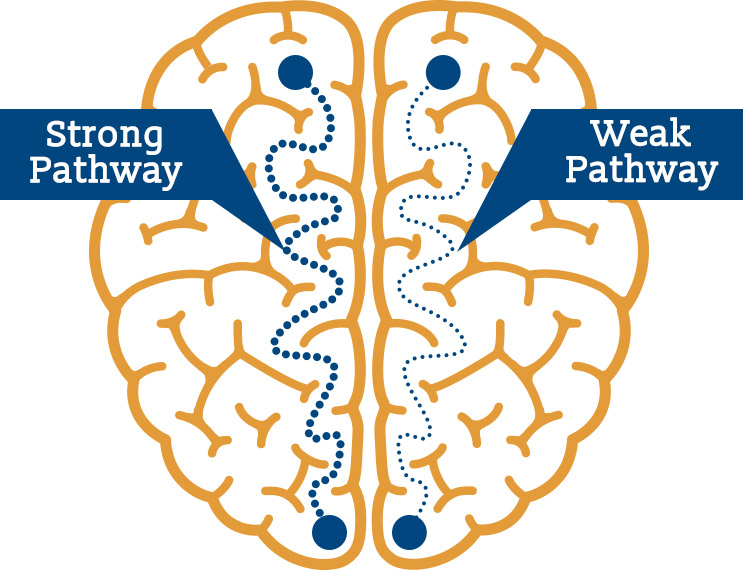
- Healthy lifestyle can boost Neuroplasticity: good food, exercises, sleep, engaging in activities like puzzles, games and learning a new language, exploring new hobbies, mindfulness and meditation can help strengthen neuroplasticity.
- Social connection heals trauma; enhances our emotional regulation and feeling safe.
WHEN TO SEEK HELP?
Our body can be under stress and fear but if this feeling persists more than a week or disrupts your daily functioning, its time to reach out.
Do seek help if you feel any of these symptoms
- Persistent flashbacks, memories or nightmares.
- Avoidance of places, person, etc that remind of the trauma.
- Feeling constantly at edge, increased irritability or easily startled.
- Emotional numbness, unable to feel anything, unwanted thoughts, inability to do things you pleasured.
- Engaging in any risk-taking behaviours; self-harm, substance abuse, etc.
Seeking help is a sign of strength not weakness. Start by talking to a trusted person, counsellor or a healthcare professional.
REFERENCE
López-López, B., & Crespo, I. (2025). Neuroplasticity in Post-Traumatic Stress Disorder. Journal of Neurology, 80(6), 33478. https://doi.org/10.31083/RN33478
