

Neurodivergence

  • Why Procrastination is not ADHD

    Procrastination is a behavior, while ADHD is a neurodevelopmental condition. Procrastination happens when you choose to delay tasks, but ADHD involves difficulty starting and organizing tasks even when you want to, due to executive dysfunction and dopamine differences. ADHD affects daily functioning across many areas and often requires proper diagnosis, support, and treatment.
  • How to support a neurodivergent friend

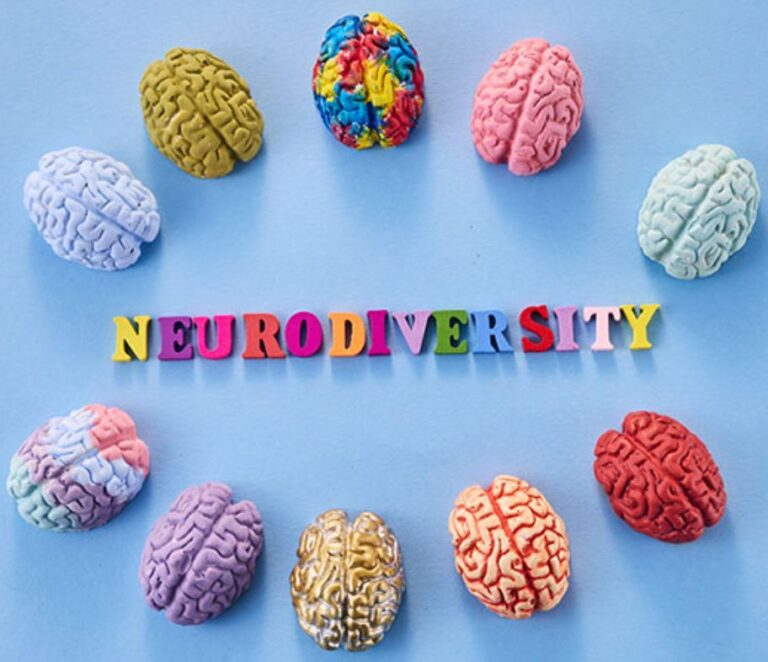
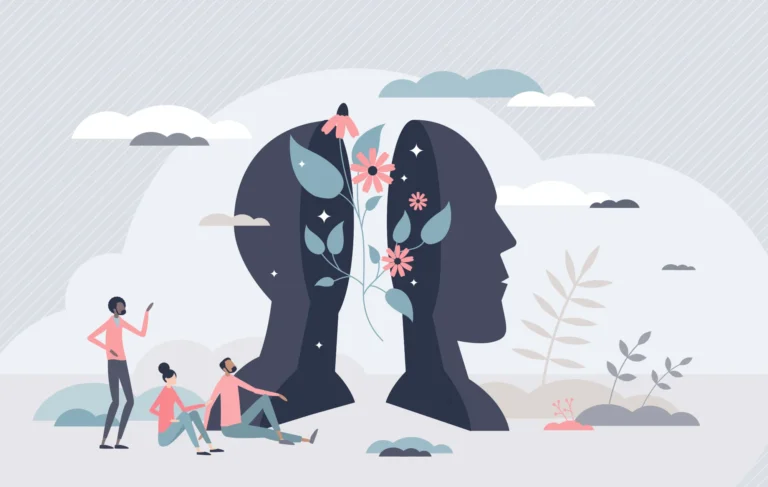
    Supporting a neurodivergent friend isn’t about having all the answers—it’s about offering compassion, clarity, and a judgment-free presence. Believe their experiences without requiring explanations, help reduce sensory overload when possible, and give them extra time to process information. Respect their energy levels, communicate clearly, and avoid vague plans that create uncertainty. Since every neurodivergent person is different, ask how you can best support them and celebrate their strengths. Small, thoughtful adjustments can make them feel seen, understood, and truly included.

  • A day in the life of a neurodivergent.

    Being neurodivergent means moving through the world differently—some days feel smooth, others foggy, and many are a mix of both. Mornings can start slowly as the brain shifts from rest to action, and sensory sensitivities can make simple tasks feel overwhelming. Many neurodivergent people also mask to fit in, which leads to exhaustion, sensory overload, and emotional burnout. Safe spaces and after-care routines help the nervous system reset, while nights may bring overthinking and difficulty winding down. If daily life starts to feel consistently overwhelming or draining, reaching out to a mental health professional can provide support and relief.