

Most of us move between multiple roles every day, personal, professional (worker, partner, parent, volunteer, and student) and research shows that the strain of switching roles can impact emotional well-being, decision-making, and motivation. With a little intentional structure, however, role transitions can feel smoother and more manageable.
Here are few practical ways to help you with your “rolling”!
1. Create Clear Boundaries Between Roles
When we move between many roles, it’s easy to overlook the importance of setting healthy boundaries—yet they’re essential for functioning well. Psychologists note that strong psychological boundaries help prevent emotional spillover.
A few simple reminders or cues can support you in managing these transitions more smoothly.

- Use physical cues (changing clothes after work, stepping outside briefly).
- Use time cues (setting a “RESET” time, closing the laptop fully).
- Remind yourself: “I am shifting roles now—what does this new role need from me?”
2. Practice Micro-Transition Rituals
Small rituals like the ones mentioned below can help the brain switch tasks more smoothly.
- A 2-minute breathing exercise
- A quick walk
- A grounding statement like, “I can leave work thoughts here and step into home mode now.” These cues help regulate the nervous system between demands.
3. Prioritize Based on Values
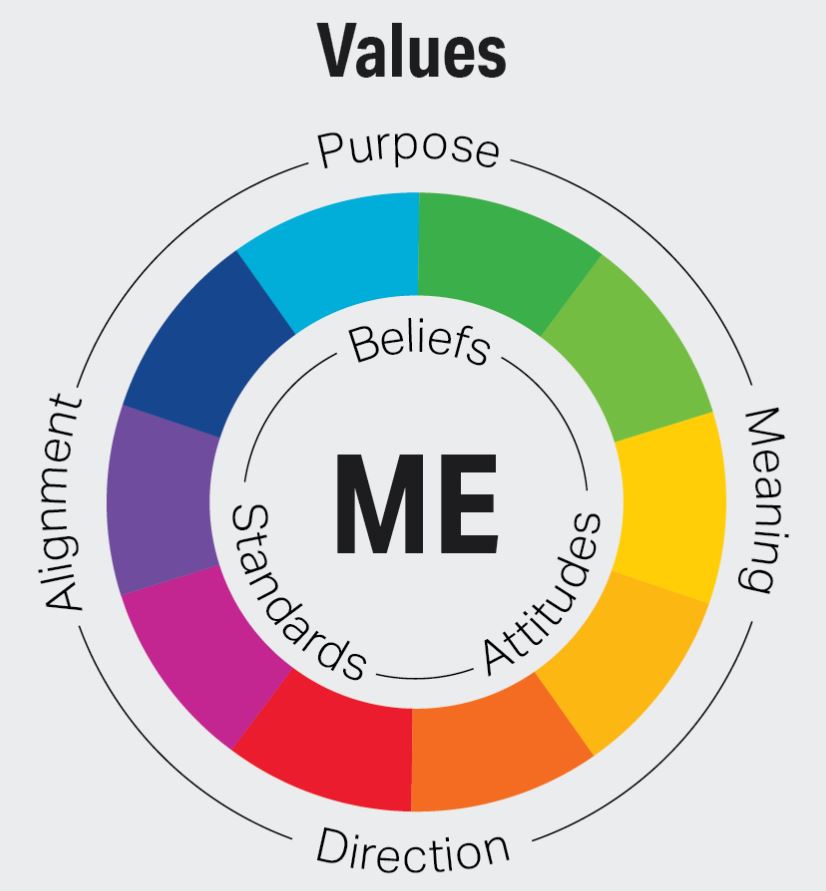
People cope better when their choices align with their values. Here are a few questions you can ask yourself:
- “What aligns with the kind of person I want to be?”
- Having clarity on this reduces guilt and increases clarity.
- “Which role needs me the most right now?”
4. Use Realistic Role Expectations
Holding oneself to idealized standards makes one’s role burdensome. Checking on one’s expectations and setting realistic goals can help ease the weight one often feels due to self-criticism and harsh judgments.
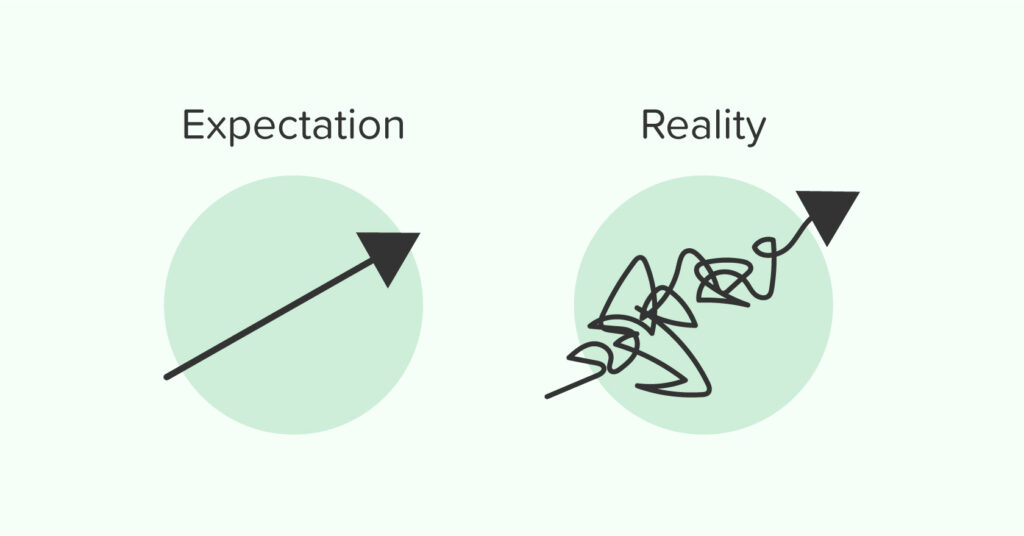
Replace perfectionistic expectations with realistic, compassionate ones:
- “I can’t be 100% in every role all the time—and that’s human.”
Manage expectations based on energy, resources, and season of life.
5. Strengthen Emotional Self-Awareness
Self-awareness helps you understand when you’re overwhelmed, under-resourced, or overstretched.
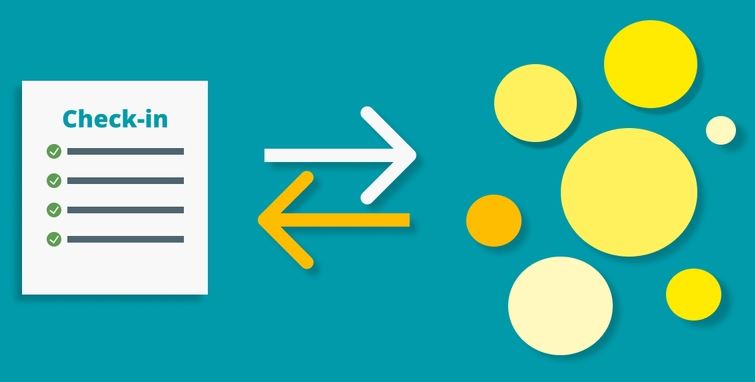
Check in regularly:
- What emotion am I feeling right now?
- How would I like to feel instead?
- What do I need right now—rest, support, structure, or boundaries?
People who name their emotional states tend to transition between roles more effectively.
6. Build Flexibility Into Your Routine
Rigid schedules break easily; flexible routines bend without snapping.
- Allow buffer time between roles.
- Expect “role collisions” and give yourself grace when they happen.
Flexibility is strongly associated with resilience and lower stress.
7. Practice Self-Compassion Instead of Self-Criticism
When role demands pile up, the inner critic can become loud: Research shows that self-compassion1 actually increases motivation and reduces burnout.
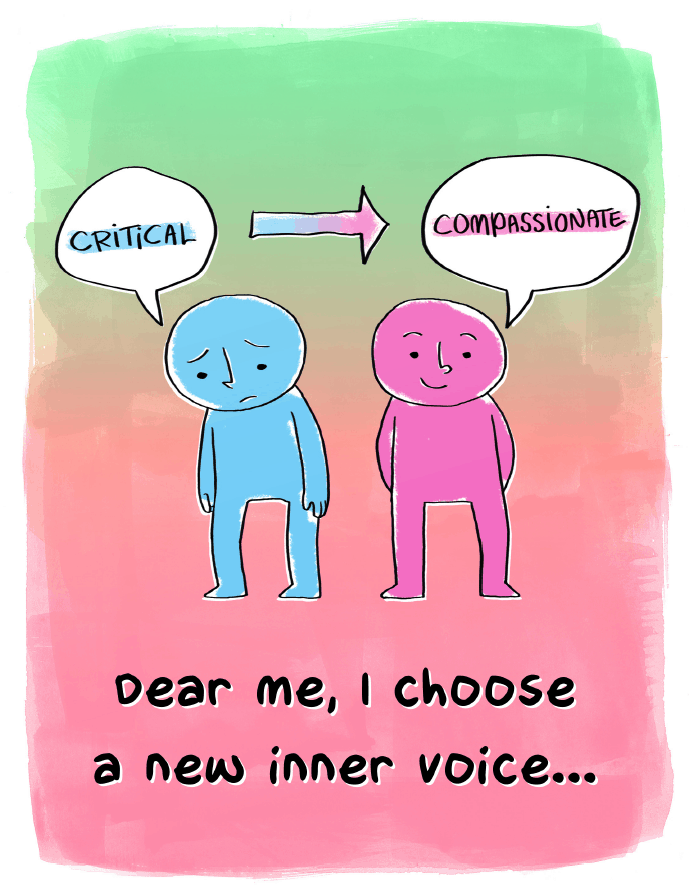
- “I’m failing.”
- “Others manage better.”
Try reframing: - “I’m doing my best in a busy moment.”
- “It’s okay to ask for help.”
8. Seek Support Where Needed
Healthy functioning across roles often requires shared responsibility.
- Delegate tasks when possible
- Communicate your needs clearly
- Build a support system across roles (partner, coworkers, friends)
Emotional load-sharing improves well-being and reduces burnout.
9. Celebrate Small Wins in Each Role
Acknowledging progress reinforces psychological momentum.
- A kind interaction as a parent
- A task completed at work
- A meaningful moment with a friend
Small wins strengthen confidence across roles and reduce fatigue.
10. Remember You Are One Person, Not Many
Different roles can feel like different identities—but it’s still you.

Bringing consistency, authenticity, and kindness across roles reduces internal conflict and increases emotional balance.
Conclusion:
Balancing multiple roles isn’t about perfection—it’s about creating steady rhythms that support your well-being. When you set boundaries, build small transition rituals, stay aligned with your values, and treat yourself with compassion, the shift between roles becomes far smoother. Flexibility, emotional awareness, and supportive relationships strengthen your resilience, helping you move through each part of life with more clarity and ease. With practice and intention, you can navigate your roles without losing yourself in the process, carrying a sense of steadiness wherever you go. Remember, you’re not meant to carry every role flawlessly—you’re meant to navigate them as one whole, human self, doing the best you can.
Reference
- Schabram, K., & Heng, Y. T. (2022). How other-and self-compassion reduce burnout through resource replenishment. Academy of Management Journal, 65(2), 453-478. ↩︎
