
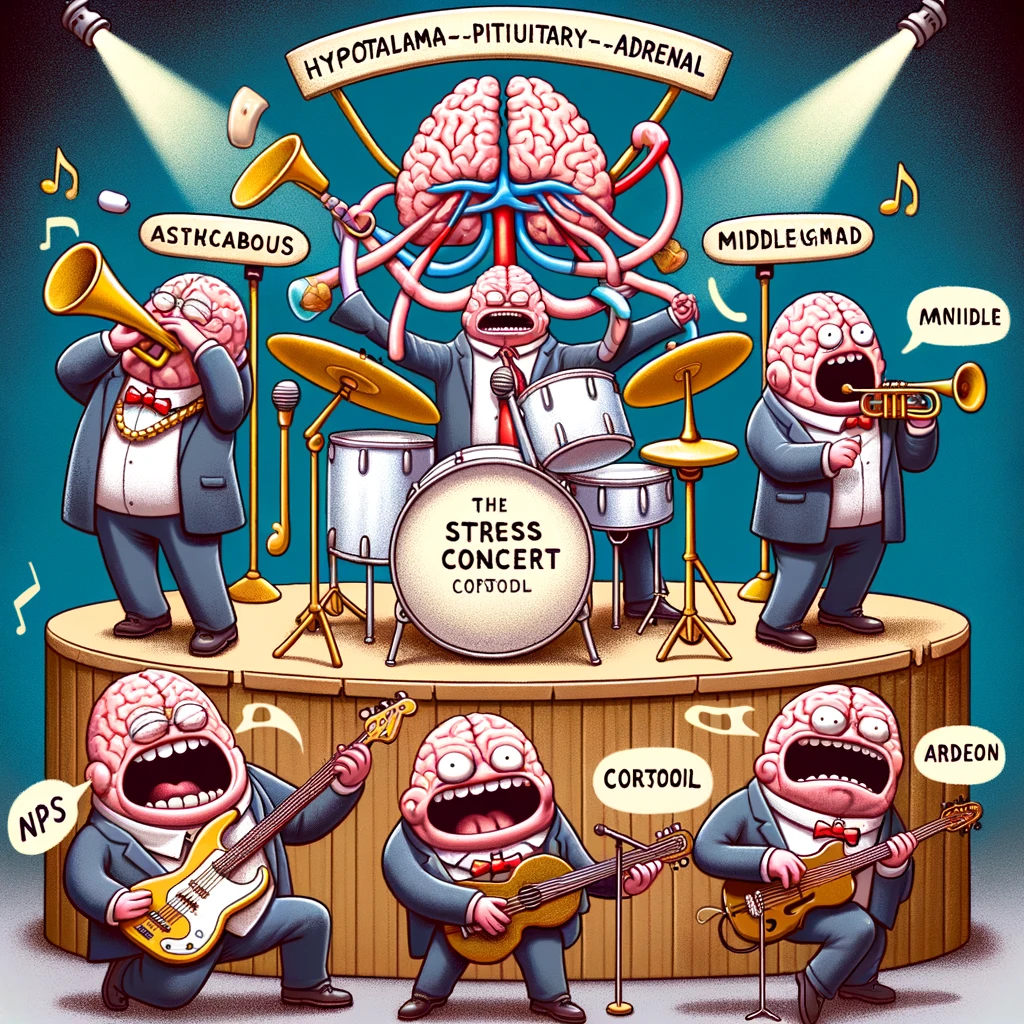
How stress affects the HPA axis?
That racing heart or stomach discomfort when you’re nervous is your HPA axis at work—your brain and body’s built-in stress alarm. It releases cortisol to help you cope, then settles once the stress passes. But when stress becomes constant, this system stays overactive, leading to exhaustion, anxiety, sleep and digestive issues, and brain fog. The HPA axis can be reset through consistent habits like good sleep, movement, nourishment, social support, mindfulness, and therapy. If worry, fatigue, or physical symptoms persist, it may be time to reach out—stress starts in the mind but affects the whole body, and healing needs awareness and care.