Blogs

Neuropsychology
Sanjana Ravishankar

Why Neuropsychologists Ask Such Odd Questions

If you’ve ever taken a neuropsychological assessment, you might have wondered why you’re asked to name animals, draw a clock, or remember random words. These tasks may seem strange, but they’re designed to reveal how your brain functions—testing memory, attention, planning, language, and problem-solving. Even if someone seems fine in everyday conversation, these small exercises can uncover hidden cognitive strengths and struggles, helping guide treatment, provide support, and offer practical strategies for challenges like remembering information, staying organized, or processing tasks more efficiently.
Read More »
Neurodegenerative diseases
Sanjana Ravishankar

Why they can remember the past better than today.

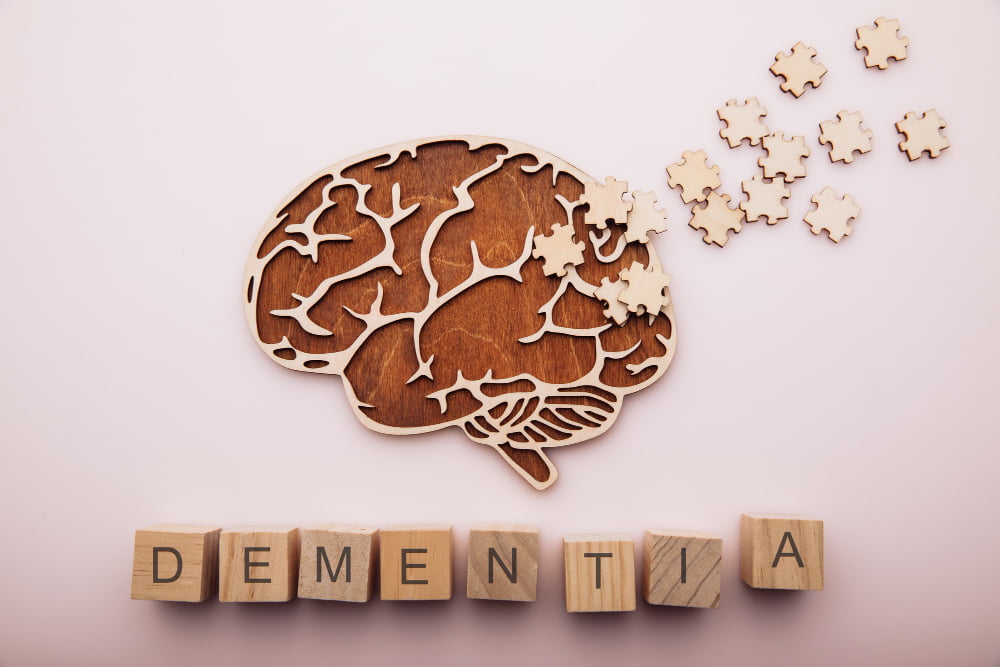
When someone with dementia remembers childhood clearly but forgets what happened an hour ago, it’s because the brain holds onto old memories longer. Diseases like Alzheimer’s damage the hippocampus first, making it hard to form new memories, while older ones stored deeper in the brain remain intact. Emotional memories stay strongest, which is why the past often feels more accessible than the present. When this begins affecting daily life—like repeating questions, forgetting recent events, getting lost, or relying more on others—it’s important to seek professional help.

Read More »
Neurodegenerative diseases
Sanjana Ravishankar

The neurodegenerative brain & the good news about it!

Neurodegenerative diseases gradually damage the brain and nervous system, affecting memory, movement, and behaviour over many years. Conditions like Alzheimer’s, Parkinson’s, Huntington’s, and ALS often involve misfolded proteins, chronic inflammation, low cellular energy, or genetic factors. While there’s no single cure, research is exploring treatments that slow progression, and supportive routines—clear communication, patience, consistency, and gentle movement—can make daily life easier. Seek help if you notice ongoing memory issues, movement changes, confusion, or difficulty with everyday tasks, as early evaluation offers clarity and support.

Read More »
Neurodivergence
Sanjana Ravishankar

Why Procrastination is not ADHD

Procrastination is a behavior, while ADHD is a neurodevelopmental condition. Procrastination happens when you choose to delay tasks, but ADHD involves difficulty starting and organizing tasks even when you want to, due to executive dysfunction and dopamine differences. ADHD affects daily functioning across many areas and often requires proper diagnosis, support, and treatment.

Read More »
Neurodivergence
Sanjana Ravishankar

How to support a neurodivergent friend

Supporting a neurodivergent friend isn’t about having all the answers—it’s about offering compassion, clarity, and a judgment-free presence. Believe their experiences without requiring explanations, help reduce sensory overload when possible, and give them extra time to process information. Respect their energy levels, communicate clearly, and avoid vague plans that create uncertainty. Since every neurodivergent person is different, ask how you can best support them and celebrate their strengths. Small, thoughtful adjustments can make them feel seen, understood, and truly included.

Read More »
Neurodivergence
Sanjana Ravishankar

A day in the life of a neurodivergent.

Being neurodivergent means moving through the world differently—some days feel smooth, others foggy, and many are a mix of both. Mornings can start slowly as the brain shifts from rest to action, and sensory sensitivities can make simple tasks feel overwhelming. Many neurodivergent people also mask to fit in, which leads to exhaustion, sensory overload, and emotional burnout. Safe spaces and after-care routines help the nervous system reset, while nights may bring overthinking and difficulty winding down. If daily life starts to feel consistently overwhelming or draining, reaching out to a mental health professional can provide support and relief.

Read More »
Uncategorized
Sanjana Ravishankar

How to manage your overload, a sensory one!

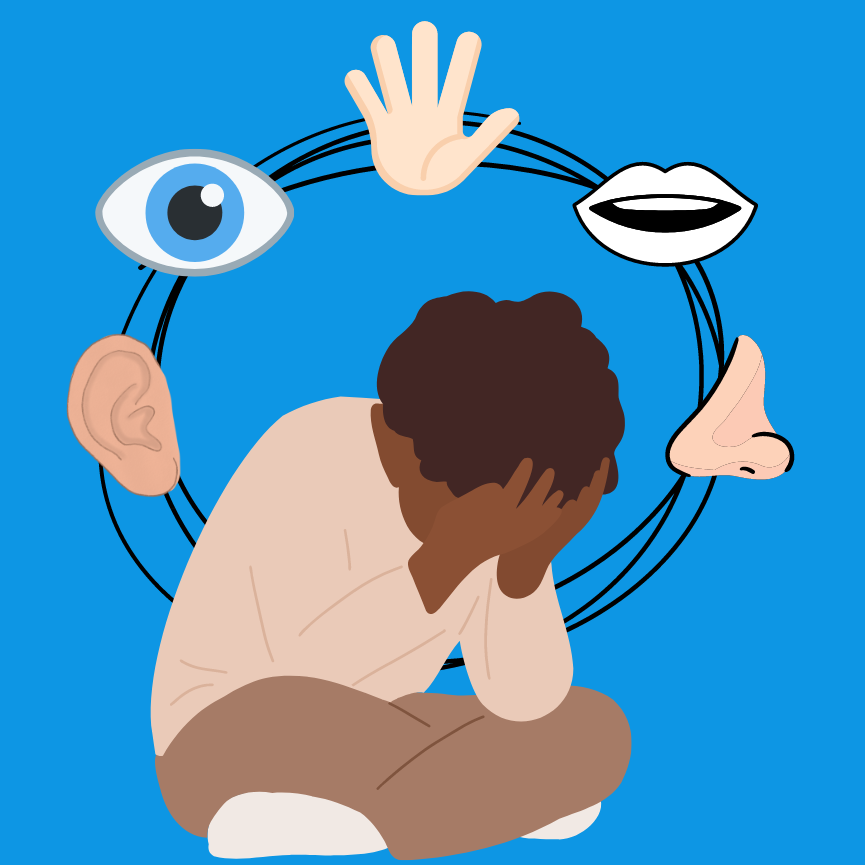
Sensory overload happens when the brain receives too much input at once and can’t filter it, making sounds louder, lights brighter, and touch uncomfortable. It’s common in autism, ADHD, anxiety, PTSD, and even in children whose brains are still developing. Triggers include crowds, bright lights, strong smells, and stress. Helpful strategies include noise-cancelling headphones, softer lighting, quiet breaks, and grounding techniques. The most important support is understanding and giving space—sensory overload is real and valid.

Read More »
Childhood Trauma
Sanjana Ravishankar

When childhood leaves a mark :how trauma shapes our social connection and stress

Childhood trauma can leave lasting biological effects that make stress feel overwhelming and relationships feel unsafe. Repeated early stress can hypersensitize the HPA axis and change key brain regions like the amygdala, hippocampus, and prefrontal cortex, making the body react to present situations as if past danger is still happening. This is why small triggers can cause big emotional reactions or why socializing can feel draining—your nervous system learned to protect you, not connect you. Healing is possible through therapies like CBT, EMDR, or somatic work, along with grounding, mindfulness, and supportive relationships that gradually retrain the brain toward safety. If stress, fear, or relationship struggles begin to affect daily life, reaching out for help is important.

Read More »
Uncategorized
Sanjana Ravishankar

How genetics impact depression & anxiety but does not decide your future!

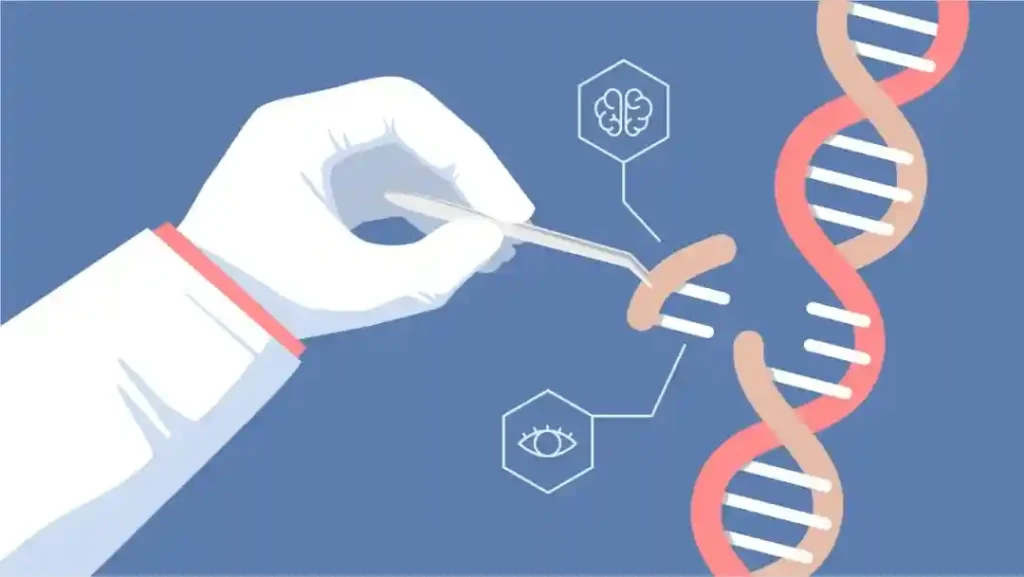
Anxiety and depression don’t come from a single gene or a single event—they arise from a mix of genetics, brain chemistry, stress systems, and life experiences. A family history can make your brain more sensitive to stress, but it doesn’t mean you’ll develop these conditions; supportive relationships, healthy routines, and therapy can buffer that risk. Differences in mood-related chemicals like serotonin, dopamine, and GABA, along with variations in genes such as 5-HTTLPR and BDNF, can influence how strongly you react to stress. Ultimately, it’s a biopsychosocial blend—biology, psychology, and environment working together—that shapes vulnerability and resilience. Consistent sleep, movement, social connection, stress management, and therapy can strengthen your mood systems. If anxiety or depression starts affecting your daily life, reaching out for help is important.

Read More »
Brain Health
Sanjana Ravishankar

Aging and its impact on the brain

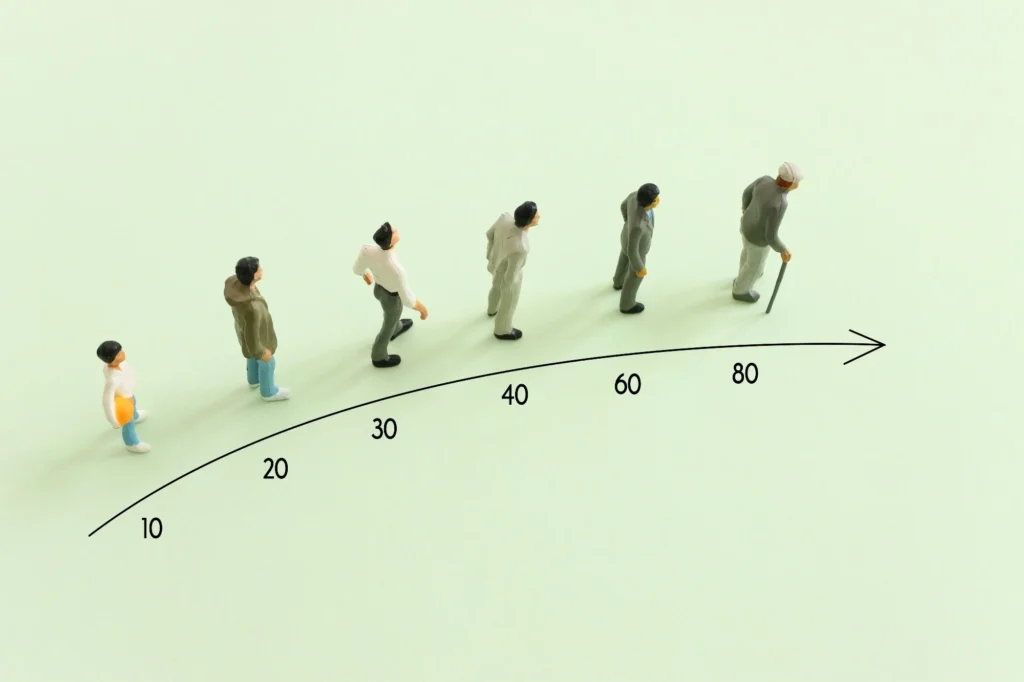
Aging naturally changes the brain, but far more gently—and more hopefully—than we think. Slower processing, reduced multitasking, and lower neuroplasticity are mostly tied to lifestyle, not decline. The brain can still rewire itself through learning, movement, social connection, and mentally engaging activities. Though inflammation, slower communication between neurons, and reduced resilience to stress increase with age, healthy habits like exercise, good sleep, nutritious food, and staying mentally and socially active can significantly protect brain health. If forgetfulness, confusion, or daily difficulties persist, seeking professional help is important.

Read More »