Blogs

Stress Management
Sanjana Ravishankar

Social connections can calm your stress system

Oxytocin—often called the “love hormone”—is actually one of the body’s most powerful natural stress-relievers, released most strongly through meaningful social support. When you’re stressed, your HPA axis boosts cortisol to prepare for fight or flight, but feeling safe with someone you trust signals the brain to release oxytocin, which calms the nervous system, slows the heart rate, relaxes the body, and shifts you into a healing state. Over time, supportive interactions strengthen emotional resilience, improve clarity, and enhance trust, connection, and empathy. So when stress feels heavy, reaching out to someone close—or seeking professional help—can ease the load, because humans are wired for connection and aren’t meant to carry everything alone.
Read More »
Sleep Hygiene
Sanjana Ravishankar

When irregular sleep can cause sickness…

Sleep is the foundation of your body’s natural rhythm, and when this cycle becomes irregular, it affects everything—from mood and focus to immunity and digestion. Poor sleep disrupts the brain’s ability to manage emotions, make decisions, store memories, and clear out waste, leading to anxiety, low concentration, and long-term health risks. It also raises stress hormones, weakens immunity, and unsettles the gut. What helps most is consistency: going to bed and waking up at the same time, limiting screens, eating earlier, and practicing relaxation. If disrupted sleep leaves you exhausted, anxious, or unable to function well, it may be time to seek professional support so your brain can return to a healthier rhythm.

Read More »
Gut Health and Brain Health
Sanjana Ravishankar

Your Gut and Brain are in a long-distance relationship!

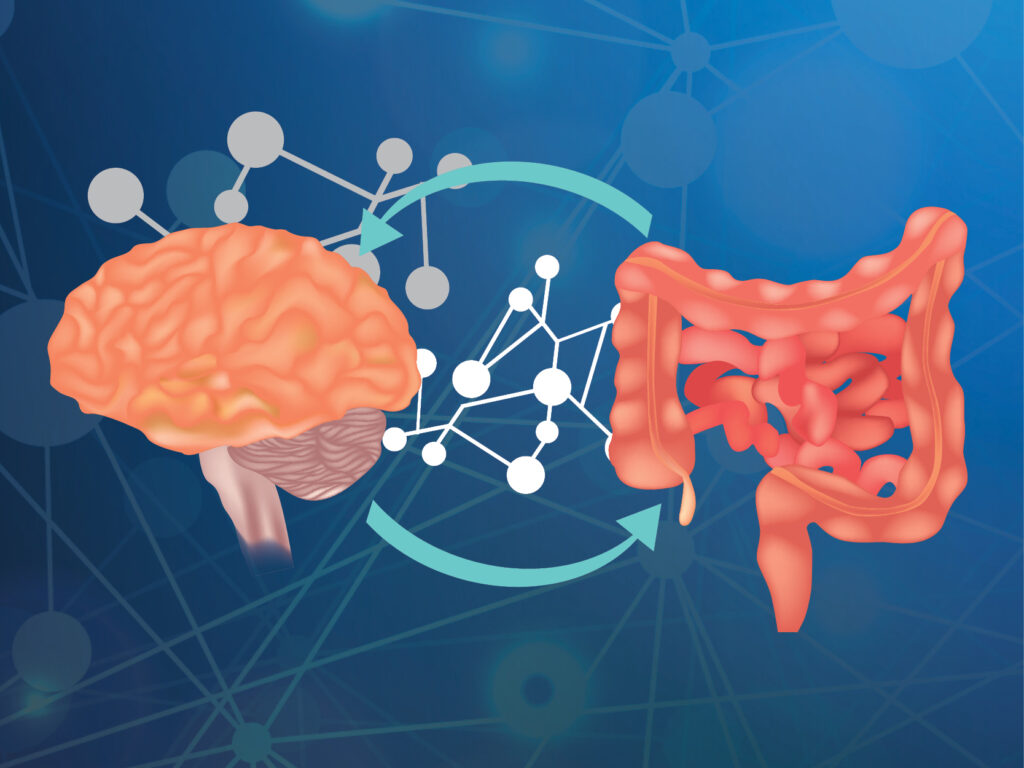
Ever felt your stomach react before you could make sense of your emotions? That’s your Gut–Brain Axis—the constant communication between your digestive system and your brain. When stress, poor lifestyle habits, or disrupted gut microbes throw this system off balance, you may experience anxiety, brain fog, low mood, or digestive discomfort. Since most of your serotonin is produced in the gut, its health deeply affects how you feel and function. The good news: regular meals, movement, stress-management, and good sleep can strengthen this connection. And if gut issues persist or affect daily life, it’s a good time to seek professional support.

Read More »
Stress Management
Sanjana Ravishankar

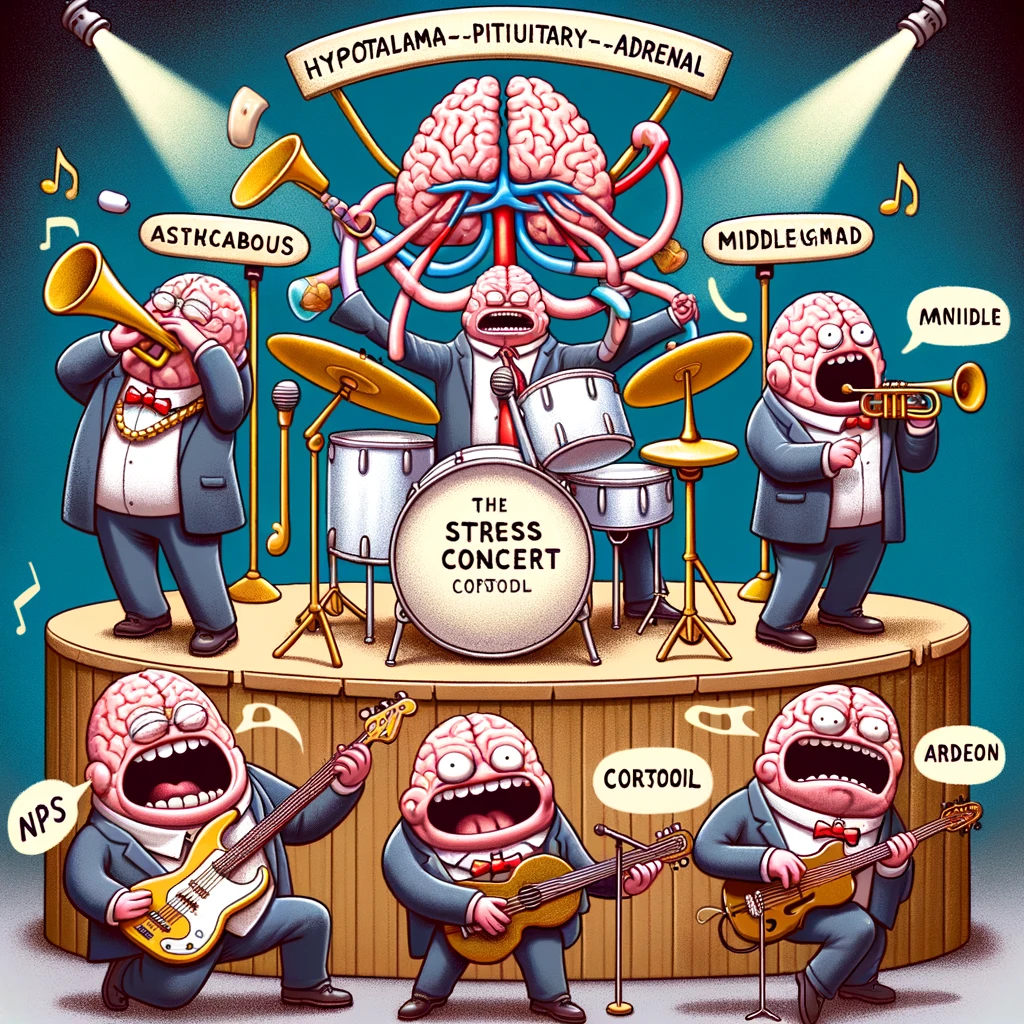
How stress affects the HPA axis?

That racing heart or stomach discomfort when you’re nervous is your HPA axis at work—your brain and body’s built-in stress alarm. It releases cortisol to help you cope, then settles once the stress passes. But when stress becomes constant, this system stays overactive, leading to exhaustion, anxiety, sleep and digestive issues, and brain fog. The HPA axis can be reset through consistent habits like good sleep, movement, nourishment, social support, mindfulness, and therapy. If worry, fatigue, or physical symptoms persist, it may be time to reach out—stress starts in the mind but affects the whole body, and healing needs awareness and care.

Read More »
Trauma and Brain
Sanjana Ravishankar

Neuroplasticity and PTSD: Brain Rewiring in the traumatized brain

Breaking a habit is difficult because the brain naturally clings to familiar patterns, yet its neuroplasticity allows it to change through new experiences. Trauma can interrupt this process—PTSD can overactivate the amygdala, weaken the hippocampus, and reduce the prefrontal cortex’s control over fear, keeping the body stuck in survival mode. The good news is that treatments like CBT, EMDR, and Exposure Therapy can help rebuild healthier neural pathways and restore balance. With steady practice, supportive connections, and healthy routines, the brain can gradually recover. If trauma-related symptoms begin to interfere with daily life, seeking professional help is a strong and important step toward recovery.

Read More »
Work-Life Balance
Sumarchana Tekey

How to Keep “Rolling” in Your Life Roles

Switching roles is part of daily life, yet it can feel stressful when things pile up. The good news? Small habits—like clearer boundaries, tiny transition rituals, and gentler expectations—can make these shifts far smoother. When we tune in to what each role needs and treat ourselves with compassion, staying balanced becomes much more doable.

Read More »
Counselling
Praisedan

“I am takings my meds” then why I need herapy?

Medication can be an effective way to manage mental health symptoms, but it is often most effective when used in combination with therapy. Learn about the different types of therapy that can be used alongside medication, and the factors to consider when deciding to use this treatment approach.

Read More »
Life Story
J I

Deep Sea Diving

I was taught how to dive straight into the same waters that hurt me and intimidated me, to be at peace with it, to float, to paddle, to wade. I was given exercises to practice and boards to hold on to. My buoyancy increased. I was able to discover new waters, to learn, to enjoy the journey.

Read More »